

Even once all the parts arrive and are available, it takes time to assemble a Patriot missile.
It takes even more time to create some of the parts.
The missile has multiple components that are hard to source, such as rare-earth magnets, solid rocket motors and high-grade explosives. Manufacturers understand this problem and try to produce the components years in advance of the need. Even so, the short supply of one component or another can add months or years to the time needed to make a single missile.
The ball screw is another component that is hard to source. Only a few companies in the US can produce them and most of them are already at capacity. The demand for the component has increased by 50% since 2020. Simply opening up a new production line for ball screws will not solve the problem.
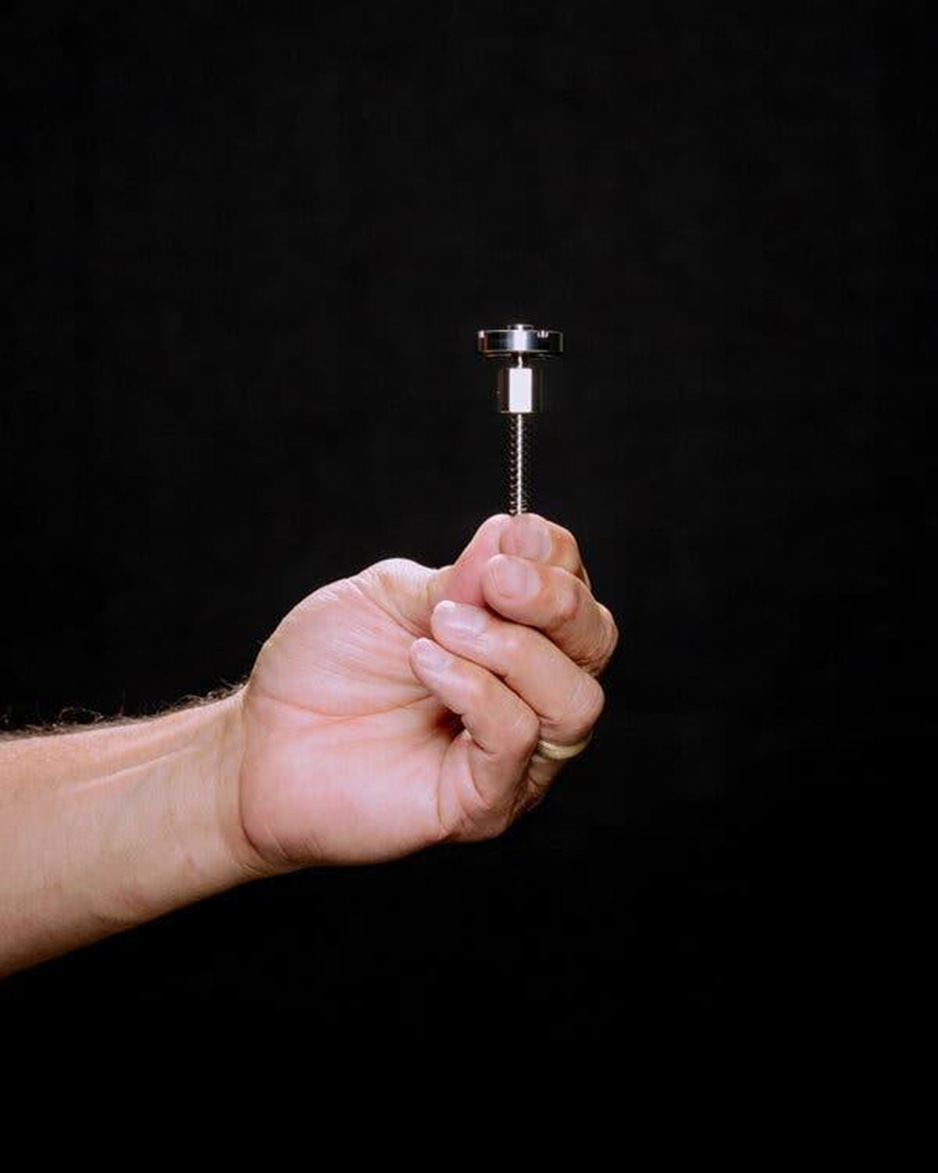
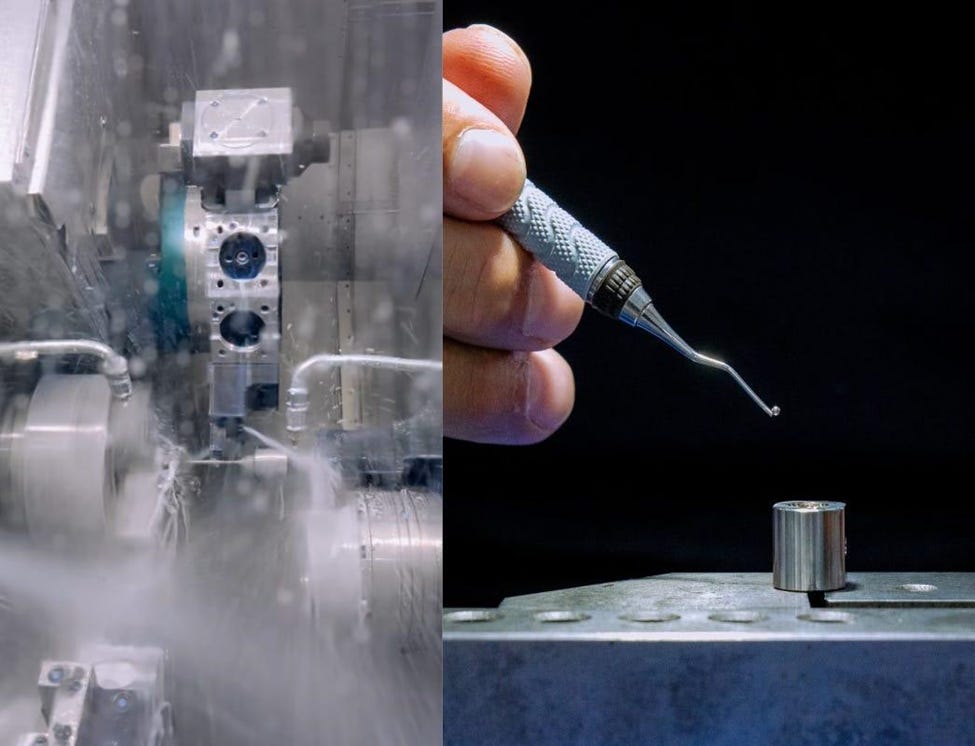
A single screw can be assembled in weeks but it takes months to receive the special heat-resistant steel needed to start manufacturing. This is also arranged far in advance of the need, but an increase in an order for ball screws would require an increase in the production of the special steel, and it could take months to build additional steel production. Once the steel is made, it has to be heat-treated to prevent it from warping, and then it has to be sent to another company to be plated with chrome or another substance.
China has a goal to produce 80% of the ball screws it uses but still imports 90% of them, mostly from Japan and Europe. It invested in several foreign countries to influence their production.
Lockheed Martin agreed to triple production of Patriots, which means they have to buy three times the number of actuators from a company called Moog, who must order three times the number of ball screws from Umbragroup, who must order more steel and have it plated. Lockheed Martin is spending $8 billion to modernize 20 American factories.
At the same time, Raytheon won a contract to increase its annual production of Tomahawk cruise missiles from less than 90 a year to 1,000 a year. These missiles also need actuators and ball screws. Lockheed Martin received their contract in January. Raytheon completed their contract in August and needed the ball screws in 90 days. Given the limited number of ball screw manufacturers, Raytheon approached the same plants that were contracted with Lockheed Martin and was told that they were at capacity and it would take another year to meet Raytheon’s needs.
There weren’t enough ball screws for Lockheed Martin so they had to build the production capacity of their subcontractors. Raytheon will need to make their own investments and it will take at least a year before they can increase the production of Tomahawk missiles.
Salient Motion is a start up company that was created in 2022 to build actuators in response to the increased demand and received its first contract in February 2026 from an Italian company that makes business-class seats in commercial aircraft. With only 35 employees, they now have a dozen customers that produce commercial and military products, and Boeing is one of their partnerships.
They’ve promised streamlined engineering workflows and a vertically integrated supply chain that reduces the required lead time from orders to production by a factor of ten. To that end, they bought a company that builds ball screws to control their own supply chain. They also standardize components, recycle code and shift the complexity in their actuators from the hardware to the code. This reduces production and certification approval times by up to 50%.
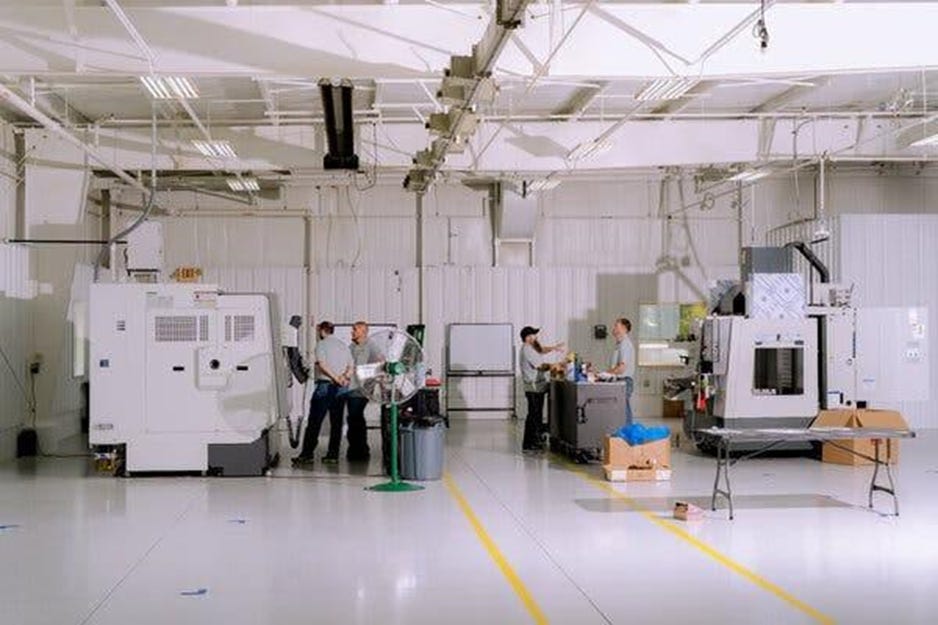
Raytheon and MBDA are jointly producing the PAC-2 Patriot missile in Schrobenhausen, Bavaria. MBDA is building its own vertically integrated network with German subsidiaries providing the subcomponents in order to avoid foreign bottlenecks. Bayern-Chemie, which used to build Patriot rocket systems in the 1990s, will build them once again. TDW will produce the warheads. The manufacturer of the actuators and ball screws were not announced. By completely controlling the supply chain for the PAC-2 missiles through ownership or partnership, MBDA expects to build a single missile faster than Raytheon does in the US.
A Tomahawk missile costs between $2.5-3.5 million. PAC-2 GEM-T and PAC-3 missiles cost about $3-4 million each.
However, without a $1,000 ball screw, none of them are built.
Most excellent! I worked 25 years in US defense logistics, for LTV and Lockheed-Martin. Most people outside the industry have no idea of "lead times", which can be frighteningly long for many critical components. I am sure the current US administration thinks they can wave a magic wand and boost production immediately, but Trump will be out of office before many of the items ordered this month will be ready for final assembly and issuing to the using troops.....
Literally the medieval german poem collected by Benjamin Franklin:
For the want of a nail , the Kingdom was lost.
Thank you :)